Emotional Typography: Designing with Heart
There is a specific weight to words that deal with loss, memory, and love. When you are tasked with designing for a sensitive subject—whether it is a memorial service, a comfort gift, or a charity campaign—the typography needs to do more than just spell out a message; it needs to feel like a hug. This is where the power of thematic design assets comes into play. If you have ever tried to find the right visual language for a sentiment as profound as "Death Leaves a Heartache No One Can Heal," you know that standard fonts often fall short. They lack the personality, the flow, or the human touch required to convey such deep emotion. However, with the rise of accessible design tools and high-quality digital assets, capturing that sentiment has become significantly easier.
Making your own custom t-shirts and merchandise has shifted from a specialized factory skill to a kitchen-table hobby and a viable business model. The barrier to entry is gone. With transfer papers readily available in most local stores, you can have any design on a t-shirt within minutes. But the quality of the final product relies heavily on the quality of the file you start with. A pixelated image or a jagged edge can ruin the emotional impact of a design. This is why professional-grade assets are essential. Designs are now specifically customized for cutting machines like Cricut and Silhouette, ensuring that the intricate loops of a script font or the sharp edges of a serif typeface are preserved perfectly during the cutting process.
Beyond the Cut: The Versatility of Vector and Raster Files
For the creative entrepreneur or the dedicated hobbyist, flexibility is everything. You might start a project intending to make a vinyl decal for a car window, but halfway through, you realize the design would look stunning on a printed card or a digital social media post. This is where the value of a comprehensive file package becomes evident. A professional design asset shouldn't limit you to one medium. When sourcing designs that carry heavy emotional weight, such as memorial quotes, you want to ensure you have the right tool for every job.
High-quality digital clip art and typography files often come in a variety of formats to suit different software ecosystems. Typically, you will find options such as:
- SVG files: These are the gold standard for cutting machines. They are vector-based, meaning they can be scaled to any size without losing quality. They are compatible with all major cutting machines.
- PNG files: Usually provided at 300 dpi (dots per inch), these are high-resolution raster images perfect for printing or digital use where a transparent background is needed.
- DNG files: While often associated with raw camera data, in the context of design assets, these are used for specific CAD applications or certain software environments.
- EPS files: The standard vector format for Adobe Illustrator, allowing for full scalability and editing of the design paths.
- PSD files: The native format for Adobe Photoshop, allowing for layered editing if the design includes textures or complex effects.
Having access to these formats gives you total control. Whether you are a small business owner using a Cricut for inventory or a graphic designer working in Illustrator for a client presentation, the asset adapts to you, not the other way around.
Practical Applications for Sentimental Design
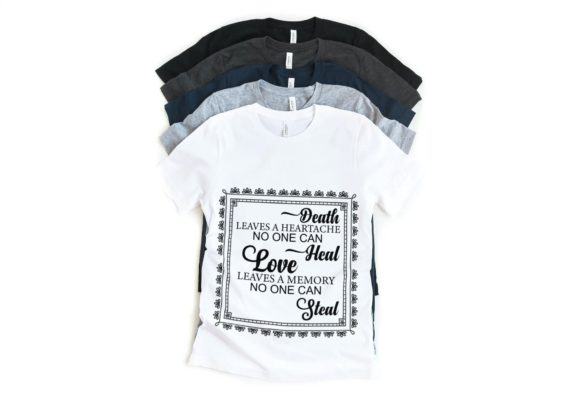
When we talk about a phrase like "Death Leaves a Heartache No One Can Heal," we are dealing with a specific niche that has a high demand for tangible goods. People want to wear their memories, display them in their homes, or send them to loved ones. The versatility of these digital files allows for a wide range of creative output:
- Scrapbooking: Adding a professional, cohesive look to memory pages without the mess of traditional stamps.
- Custom Apparel: Using heat transfer vinyl (HTV) to create t-shirts, hoodies, and tote bags for family reunions or memorial walks.
- Home Decor: Creating wall decals, framed prints, or even etched glass designs using the vector files for engraving machines.
- Paper Crafts: Designing sympathy cards, invitations, or memorial service programs that look polished and respectful.
- Stickers and Decals: Making car decals or planner stickers that allow individuals to carry a reminder of their loved ones with them.
The ability to take a digital file and turn it into a physical object in minutes is a game-changer for both personal expression and small business inventory management. You are no longer waiting for a shipping container from overseas; you are manufacturing sentiment on demand.
Integrating Typography into Brand and Identity
For those in the business of design, understanding how to use typefaces to evoke emotion is a critical skill. A font is not just a set of letters; it is a voice. When selecting a typeface for a project centered around themes of healing or remembrance, the visual characteristics matter immensely. You are likely looking for a style that balances elegance with legibility.
Script fonts and handwritten fonts are often the go-to choices for these projects because they mimic the intimacy of a personal note. However, not all scripts are created equal. A "premium font" in this category will have extensive kerning (spacing between letters) and ligatures (connections between letters) that make the text look natural rather than typed. This is crucial for brand recognition if you are a small business selling memorial products. Your typography becomes part of your visual identity.
Consider the difference between a generic sans-serif font and a carefully crafted display font with a vintage or romantic flair. The latter immediately sets a tone of nostalgia and care. When pairing fonts for a layout—for example, on a website header or a product tag—try combining a flowing script for the main emotional keyword with a clean, simple sans serif font for the supporting details. This contrast ensures readability while maintaining the emotional core of the design.
Technical Considerations for Professional Results
Whether you are designing for packaging, editorial layouts, or social media graphics, the technical execution of your typography determines the final impact. One of the biggest advantages of using high-quality design files is the assurance of visual consistency. When you scale an SVG file for a large banner or shrink it for a business card, the lines remain crisp. This level of professionalism builds trust with your audience.
Here are a few practical tips for working with these assets:
- Check Your Licensing: Before you start selling products, ensure you understand the commercial licensing. Most digital assets come with specific terms regarding how many physical end-products you can sell.
- Test Your Pairings: Don't just slap a font onto a background. Test your font pairings on mockups. See how the "Death Leaves a Heartache" script looks on a dark t-shirt versus a light canvas bag. Sometimes, you may need to adjust the kerning in your cutting software to ensure the vinyl cuts cleanly.
- Focus on Readability: While intricate designs are beautiful, ensure the message is legible. If a customer has to squint to read the sentiment on a mug, the design has failed its primary purpose.
- Optimize for the Medium: Use the PSD or EPS files if you need to change colors to match a specific brand palette. Use the PNGs for quick social media mockups. Use the SVGs for the actual production.
In the end, design is about communication. When you choose the right assets and apply them with care, you create more than just a product; you create a connection. You provide a visual outlet for feelings that are often hard to articulate, bridging the gap between a digital file and a tangible comfort.